Organic Gardening
From pest control to compost choices, here are 6 simple swaps to help you become a planet-friendly gardener
Autumn is a time when we are encouraged to make planet-positive decisions – and luckily, there are some easy switches gardeners can do to help the cause.
Fiona Taylor, CEO at horticultural charity Garden Organic (gardenorganic.org), says that if gardeners would “commit to a few small swaps” it would make a big impact.
“We cannot afford to further deplete natural resources or use polluting sprays when tending to our gardens. Many of us don’t realise our sheds are full of harmful chemicals – or that our shop-bought compost contains peat.”
“Using peat-free compost and green manures will nurture the soil. Growing the widest possible range of plants will encourage birds, small mammals and insects, including predators of slugs and aphids. Transforming our food waste into compost will reduce our carbon footprint.
THESE SIMPLE SWAPS WOULD MAKE A DIFFERENCE:
1. Ditch chemicals for organic pest control
If slugs and snails are an issue, don’t throw down slug pellets containing metaldehyde as these can harm beneficial wildlife.
Go down a more natural route, making your garden a welcoming habitat for hedgehogs, frogs and birds which will help you keep slugs and snails at bay. If you need extra measures, a layer of grit to cover the soil in your pots helps protect your plants.
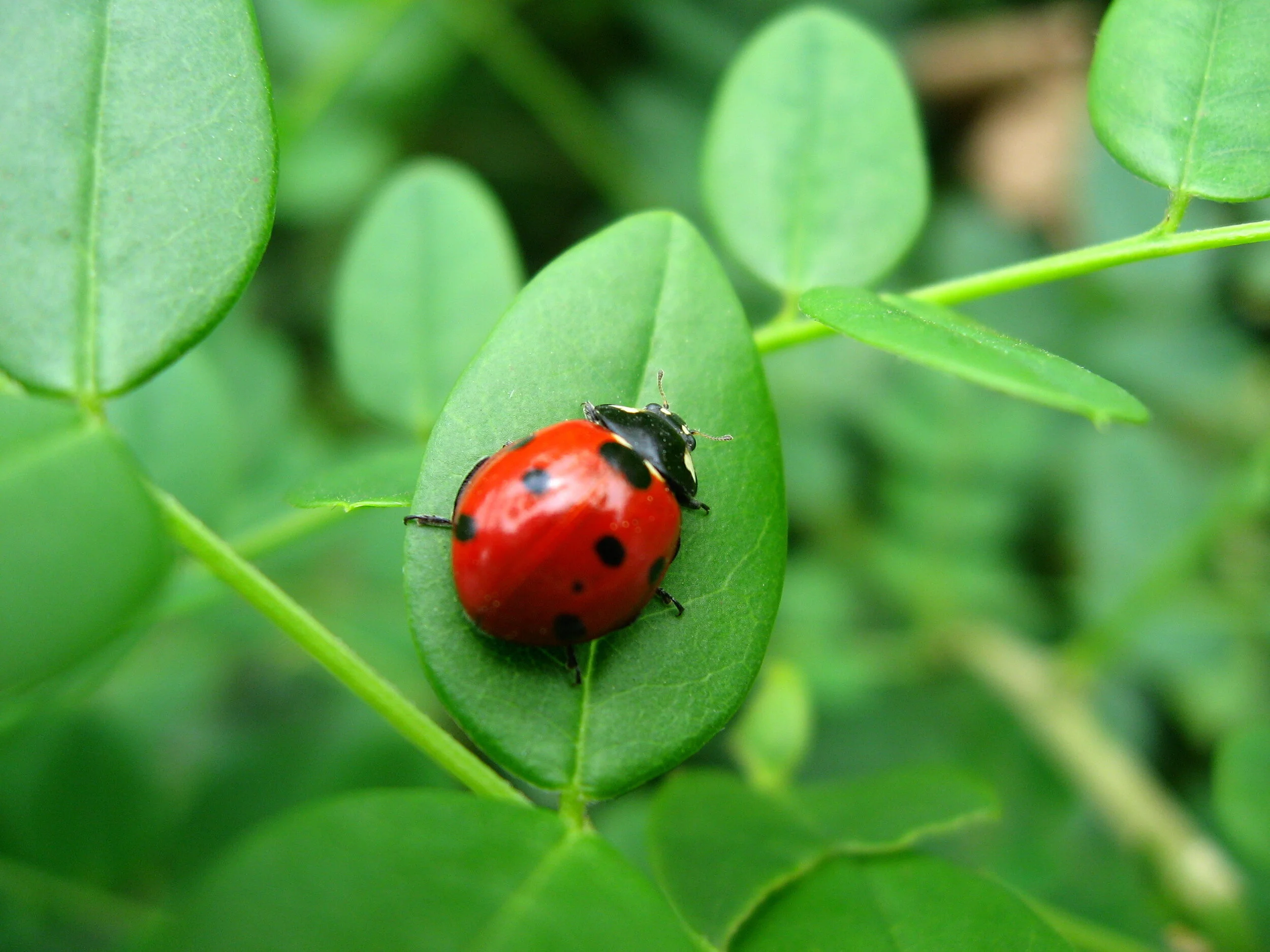
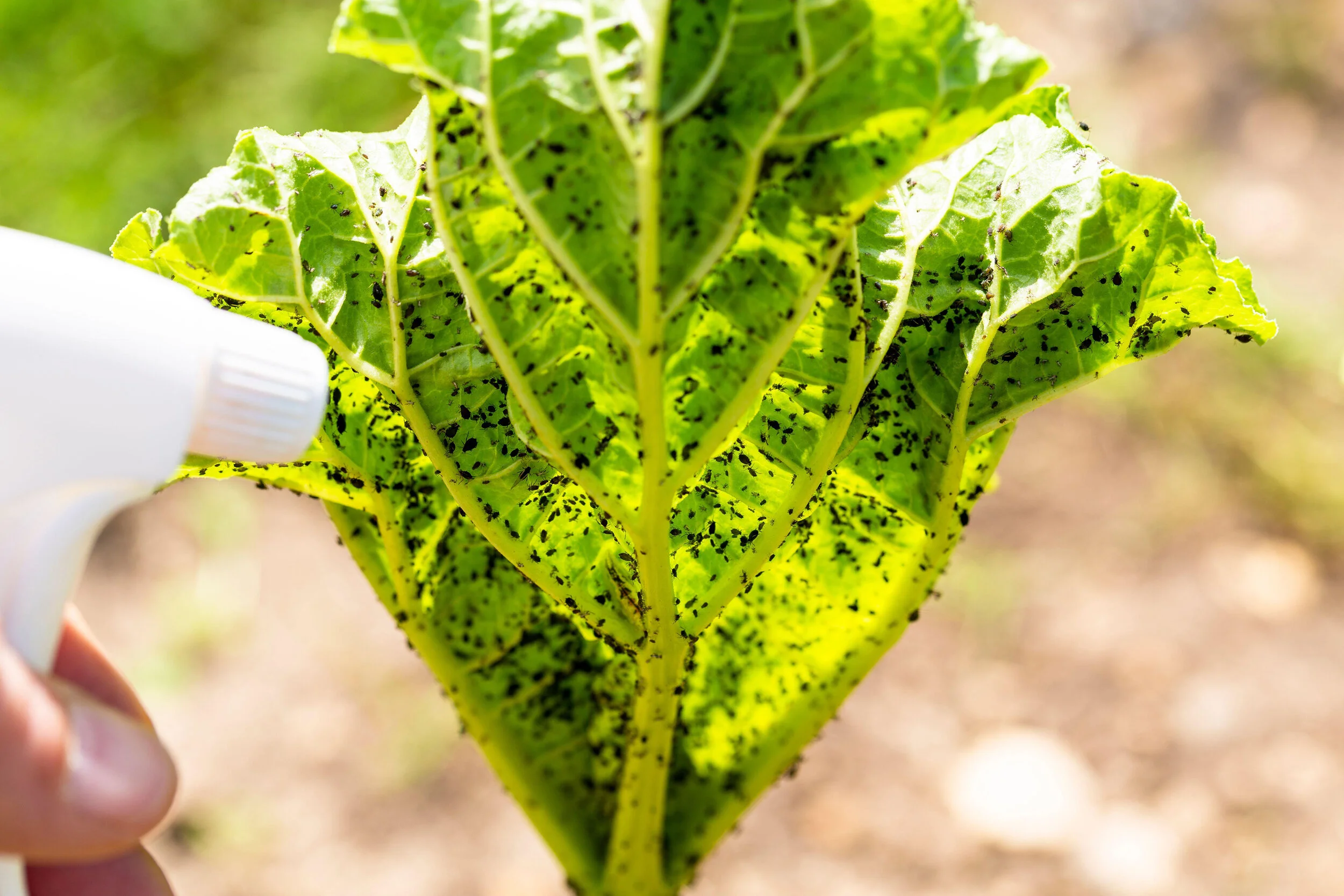
When tackling aphids, swap chemical bug sprays for a strong jet of cold water to dislodge them. Birds and ladybirds feed their young on aphids. If you destroy the pest, you will endanger other species.
2. Switch to natural plant food
Rather than using shop-bought liquid plant feeds, packaged in plastic bottles and transported to store, grow some comfrey – the organic gardener’s best friend – and make your own from that. Comfrey leaves are full of nitrogen, phosphorus and potassium, all nutrients needed by growing plants.
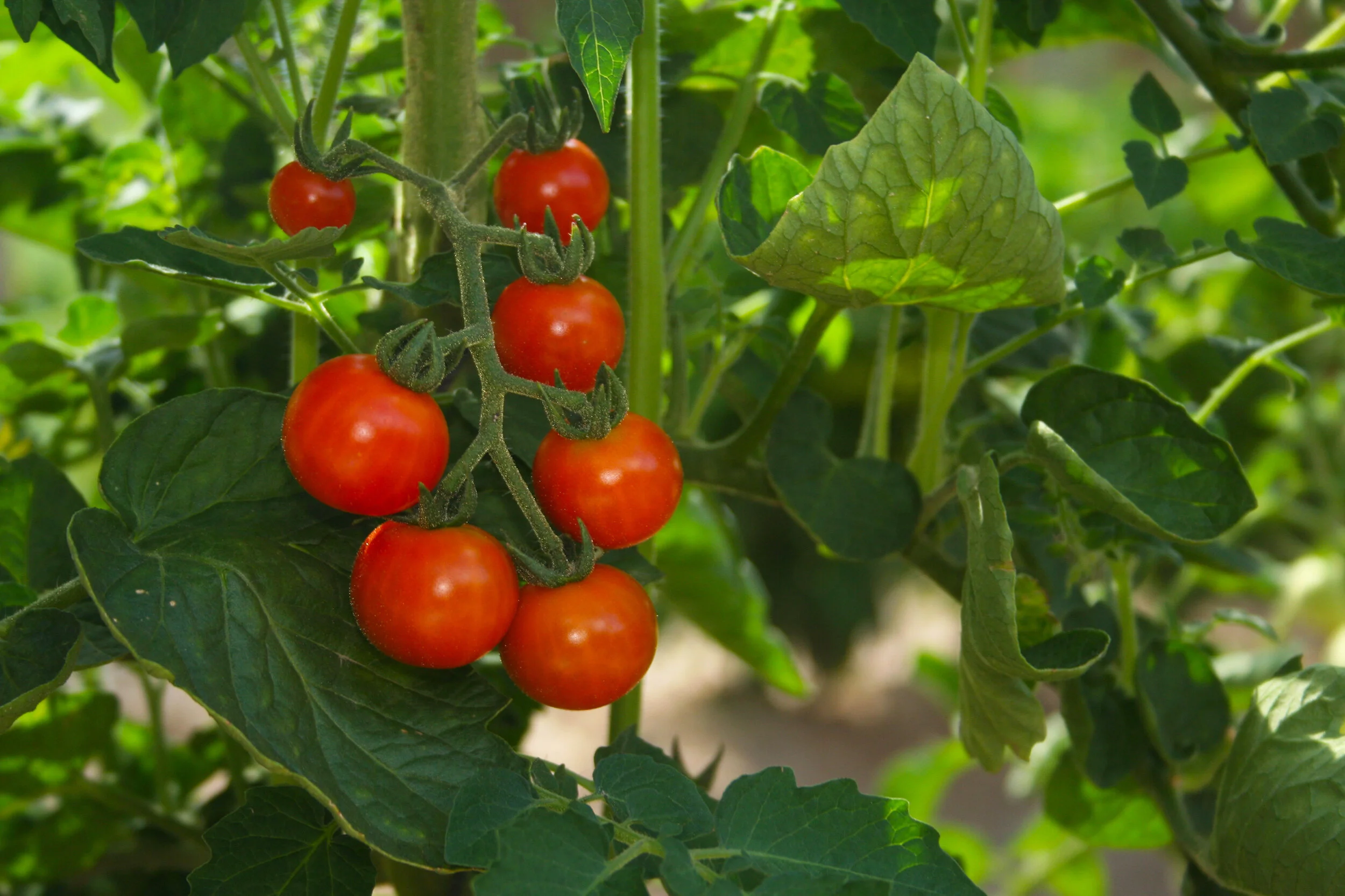
Comfrey feed is loved by particularly hungry plants like tomatoes and aubergines and is really simple to make yourself from just a small patch. The charity recommends the ‘Bocking 14’ variety of comfrey as it doesn’t spread like some others do.
3. Make your own compost
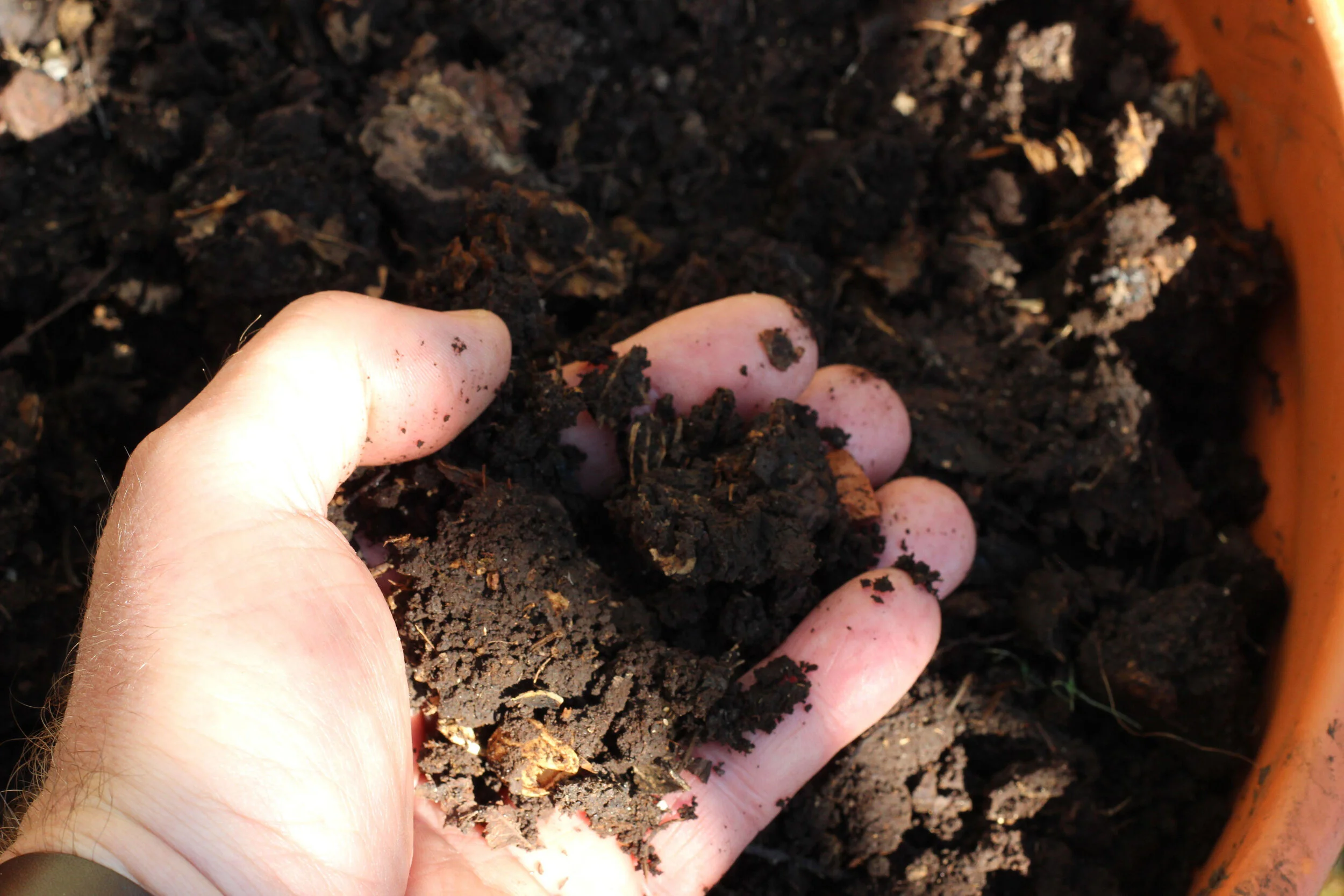
Producing your own compost is free and easy to do at home, avoiding the need to buy expensive chemical fertilisers or bagged potting compost for your garden. Plus, composting your own food and garden waste at home reduces your carbon footprint.
4. Sow organic seeds
Garden Organic recommends organically certified seeds. Keep an eye out for trusted sites. The Organic Seeds Ireland website is the official Irish database of organic seed availability (ie.organicxseeds.com). – The Organic Centre (theorganiccentre.ie) in Leitrim has a wider variety of organic seeds and says there are simple things you can do.
The Organic Centre’s five basic principles for growing organically are:
>> Build and maintain soil health: ‑ The soil is full of life, which supports healthy plant growth.
>> Encourage biodiversity: Different life forms such as insects, birds and mammals all have a role in creating a resilient growing system.
>> Use resources responsibly: The organic grower uses resources sustainably, with minimum damage to the planet. .
>> Avoid using harmful chemicals: Toxic chemicals used to kill weeds, diseases and pests can damage the health of your growing area, and all the life-forms.
>> Maintain a healthy growing area: Keeping it in good health, rather than just pest and disease free, is at the heart of organic growing.
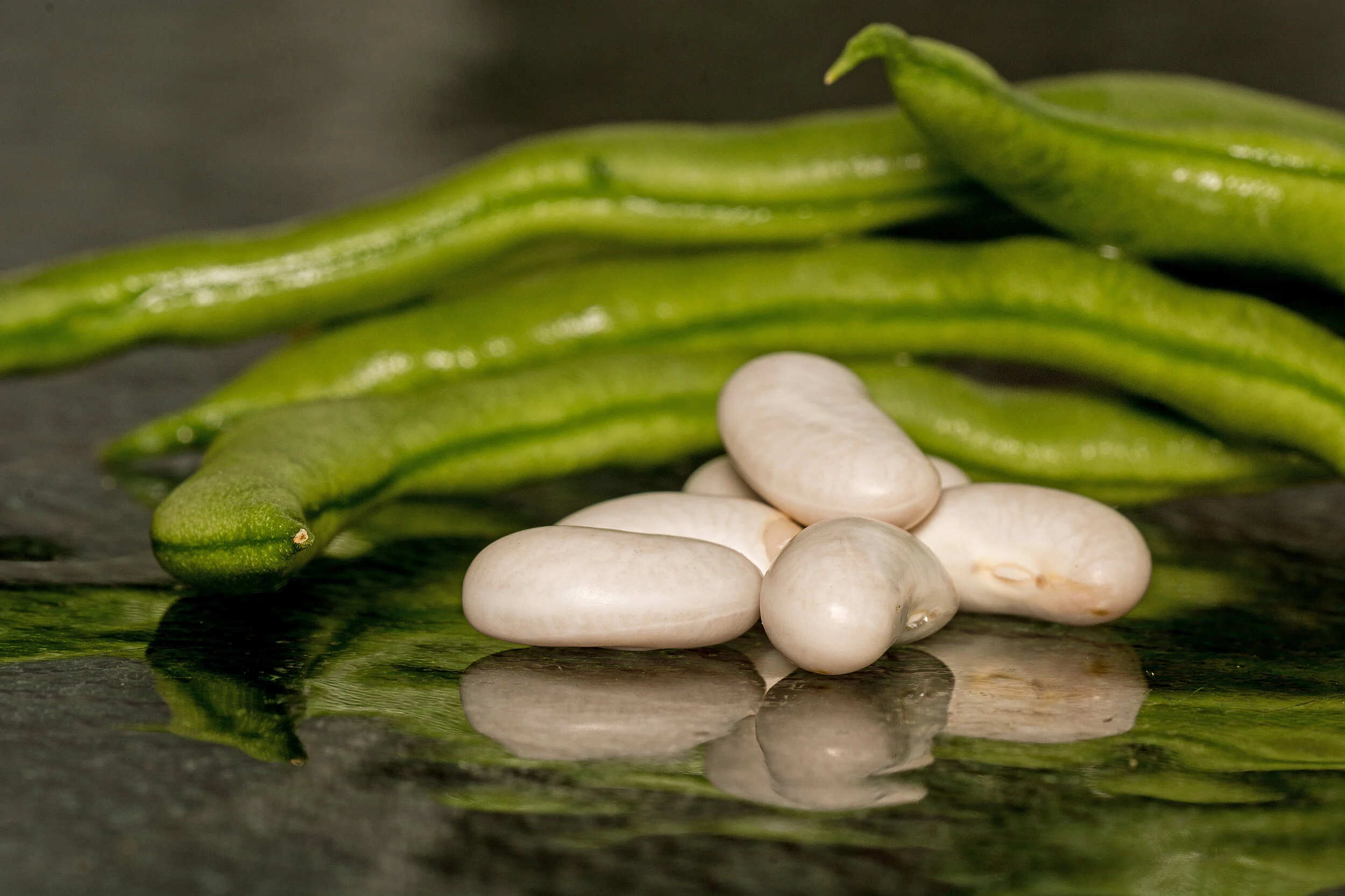
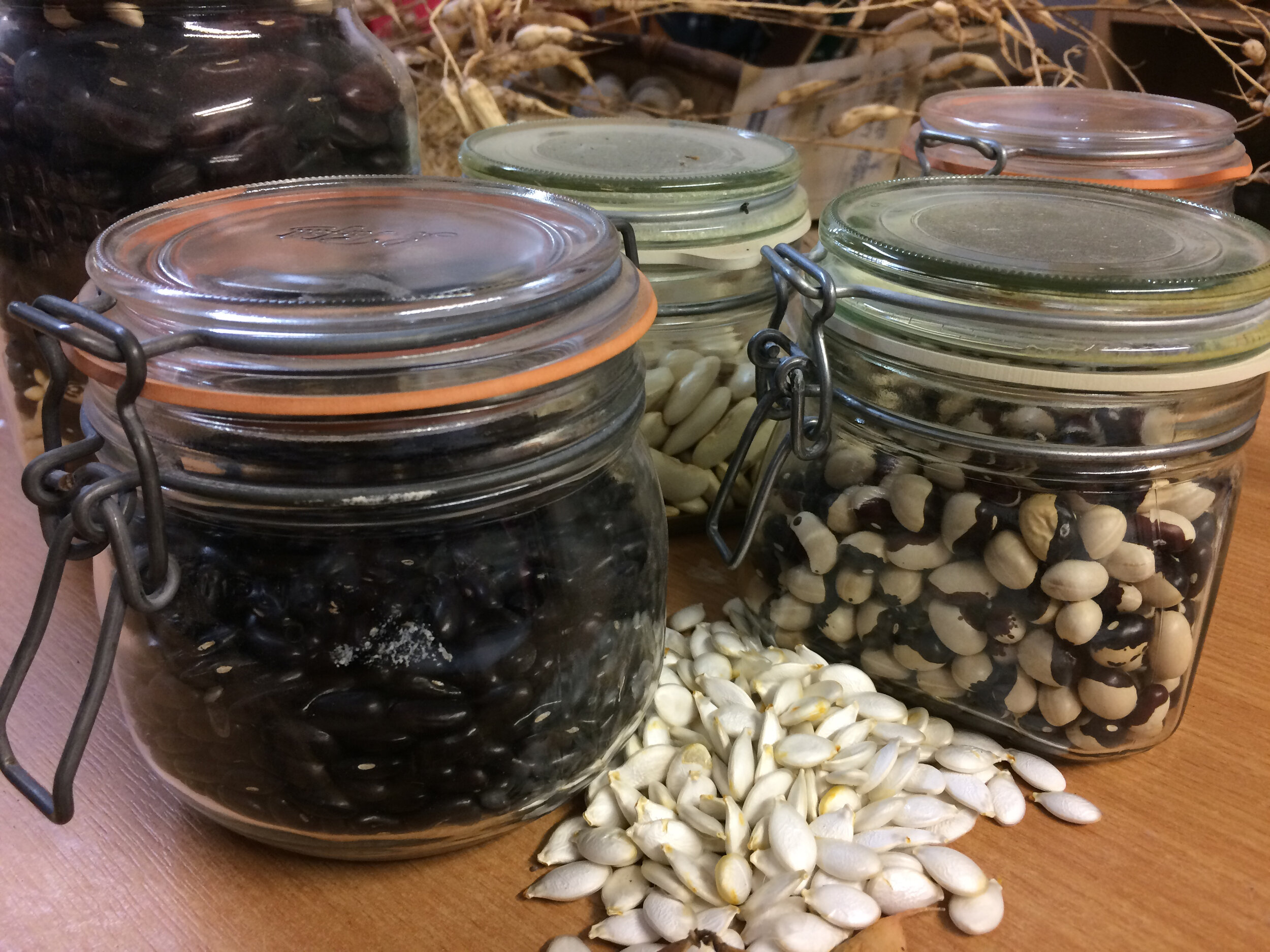
Start saving seeds, which is easy. French beans and peas are a great place to start; simply leave some healthy pods on the plants to mature and dry. Then pod them, throw away any that look diseased or damaged, and store somewhere cool and dry. Tomatoes are also simple – just scoop out the seeds from a ripe tomato, wash off the gelatinous coating, dry the seeds and store for growing next year. For more information and advice visit Irish Seed Savers (irishseedsavers.ie).
5. Change your design to a mix of flowers and veg
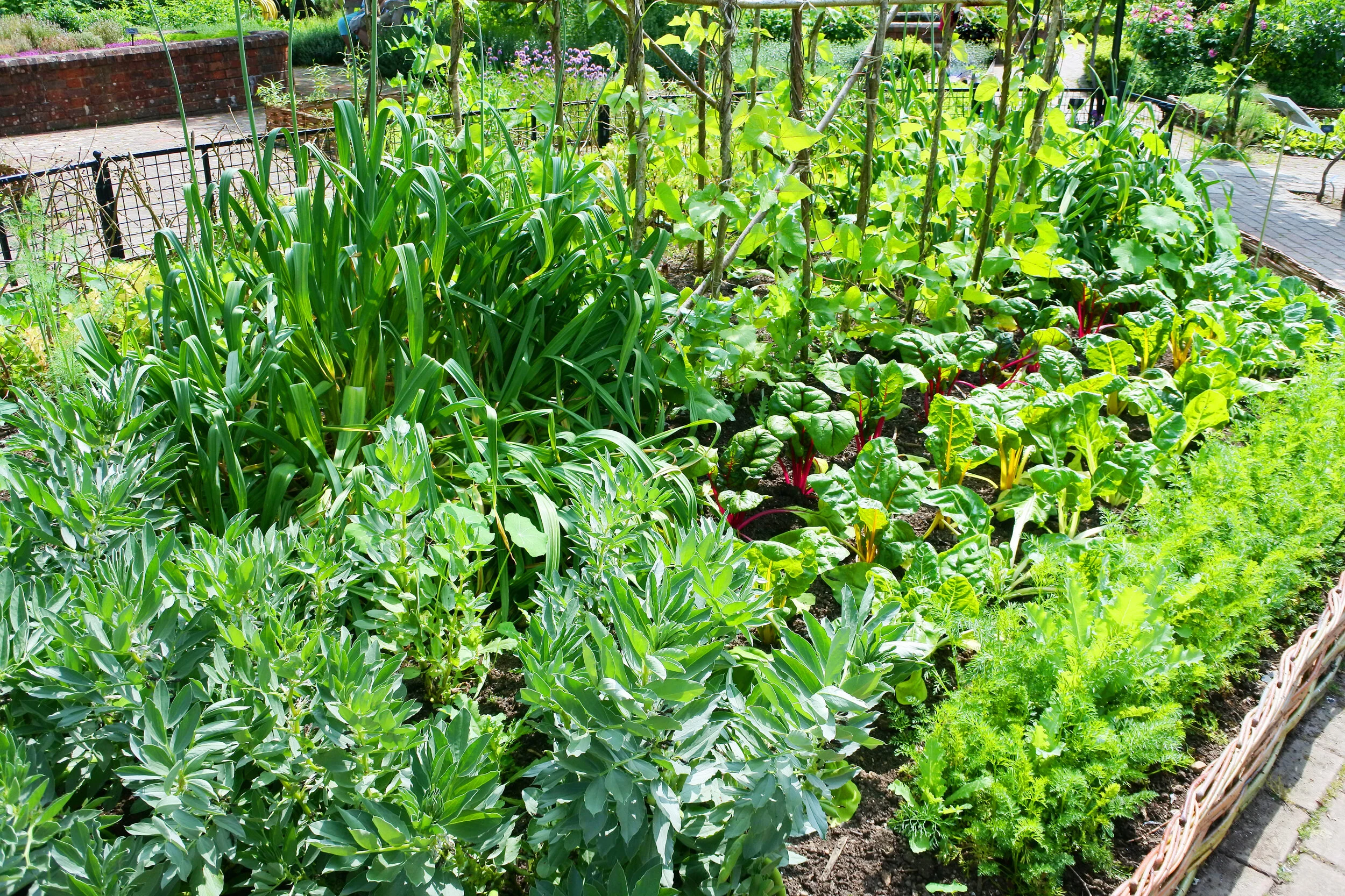
Consider how you can make your growing space as welcoming as possible for all beneficial creatures by mixing flowers with veg to provide a diverse ecosystem, leaving seed heads on plants as a source of food, and dedicating areas of the garden to leave wild and undisturbed to provide habitat during the colder months.
6. Swap to peat-free
If you buy bagged compost and potted plants, choose an organic and peat-free option. Peat bogs are rare ecosystems – wild areas which are home to a wealth of plants, birds and insects. They also store three times more carbon than a forest. Digging out peat for use in gardening is damaging to the environment. If your garden centre doesn’t stock peat-free, ask them why not.
“Gardening methods can make or break ecosystems – we must look to nature for the answer,” says Taylor. “If enough of us make the shift towards organic gardening methods, the collective environmental impact will be huge.
“Organic September is a great time to start new habits by swapping to organic methods as we prepare to sow seeds for crops through the winter and into the early spring.”
For more about organic gardening visit irishorganicassociation.ie.
Follow us on Instagram